What is a Defibrillator? How AEDs Work and How to Use Them — Australia

Implantable Cardioverter Defibrillator vs. Pacemaker. An ICD is a small device about the size of a watch that is surgically placed under the skin. It is connected to wires that are attached to the heart in specific locations. When the ICD detects a life-threatening, fast heartbeat it will give a shock. This shock converts the heart rhythm back.
St John Victoria Blog Defibrillators Your Basic Guide On How To Use One St John VIC

Implantable Cardioverter Defibrillator (ICD) ICDs are useful in preventing sudden death in people who have a high risk of a life-threatening arrhythmia. These include ventricular tachycardia (VT) or ventricular fibrillation (VF). Most ICDs, called transvenous ICDs, have a dual function and also serve as a pacemaker. View an animation of an ICD.
How Defibrillator Works YouTube

An implantable cardioverter defibrillator (ICD) is a device that sends an electric shock to the heart during a life-threatening abnormal heartbeat. The shock returns the heart rhythm to normal. An ICD can be a lifesaving device. This article discusses when someone may need a heart defibrillator, how a heart defibrillator works, and how a heart.
What Is A Defibrillator? How Does Defibrillation Work To Revive Patients?
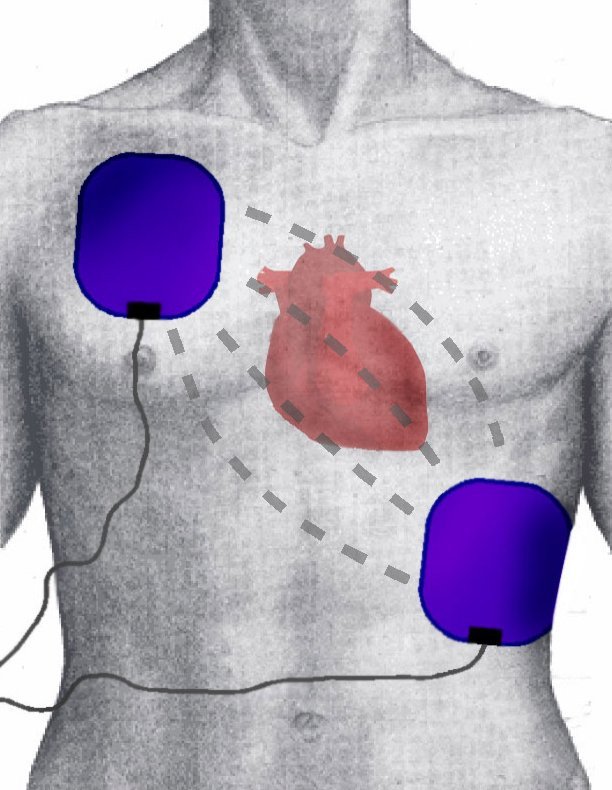
An AED may save your life during cardiac arrest. Weigh the pros and cons to see if you should get one. By Mayo Clinic Staff. An automated external defibrillator (AED) is a portable device that can be used to treat a person whose heart has suddenly stopped working. This condition is called sudden cardiac arrest.
How to use an AED First aid, Automated external defibrillator, Emergency care

Implantable cardioverter-defibrillator (ICD) Enlarge image. An implantable cardioverter-defibrillator (ICD) is a small battery-powered device placed in the chest. It detects and stops irregular heartbeats, also called arrhythmias. An ICD continuously checks the heartbeat.
How Does a Defibrillator Work? Steroplast Healthcare

Learn how a defibrillator can restart a heart and save lives, with expert explanations and illustrations.
What is Defibrillation Used For?
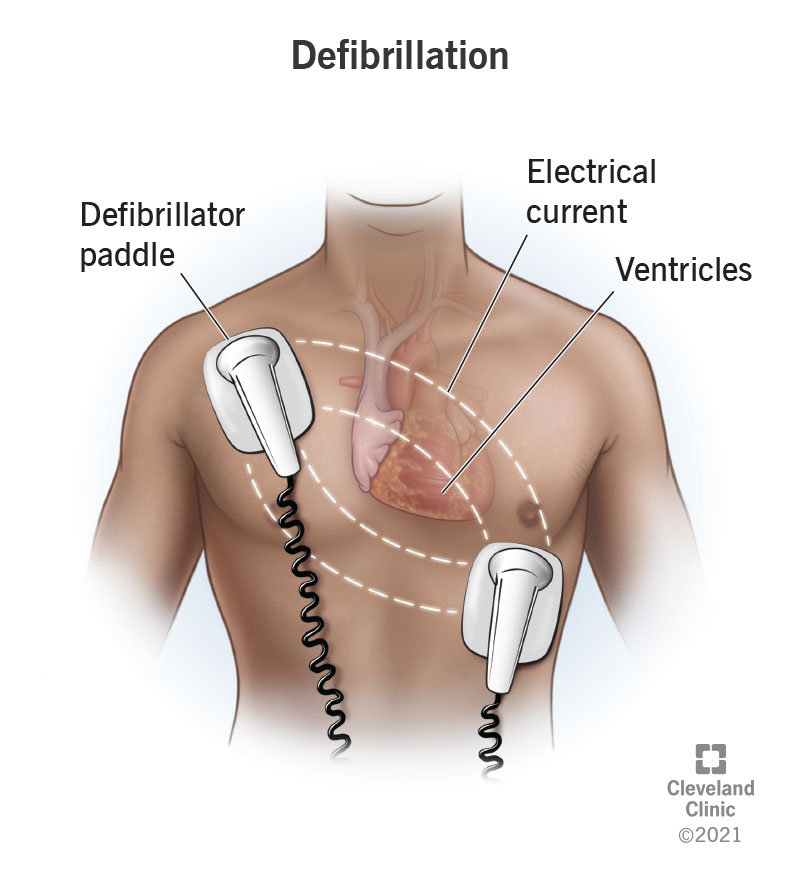
For sticky pads, push a button on the machine to give the shock. For handheld paddles, push the button on each paddle at the same time. A defibrillator makes your heart muscle stop moving briefly so your heart can create an electrical impulse that starts a normal rhythm. In essence, defibrillation restarts your heart.
Graphic explains how implantable cardioverter defibrillators work. Was used to supplement a

An implantable cardioverter defibrillator is a battery-operated device that helps people with heart rhythm problems avoid life-threatening complications caused by an abnormal (too fast or too slow) heartbeat. The device monitors the heart's activity and provides shocks or stimulation, as needed, to keep the heart beating steadily.
How Do Defibrillators Work? Lifestyle Mirror
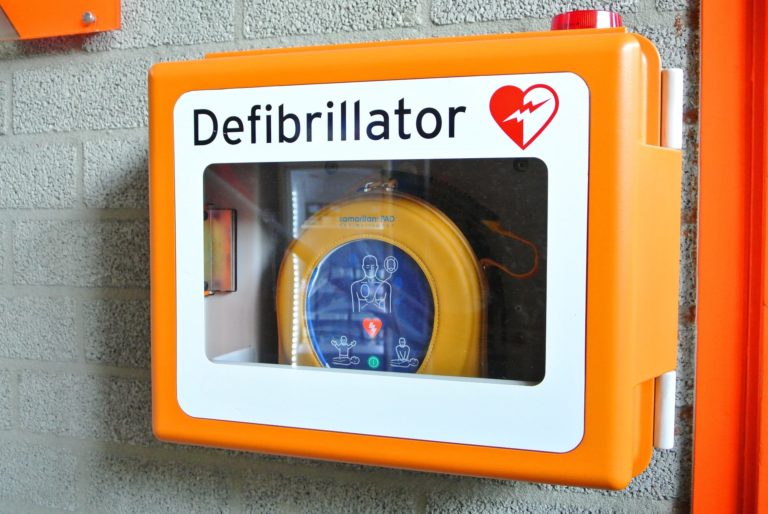
Defibrillators can detect sudden, dangerous heart rhythms or a cardiac arrest. If a defibrillator detects a cardiac arrest or a dangerous arrhythmia, it can send an electric charge to the heart to try to restore a normal heartbeat or rhythm. This video explains your heart's electrical system and how an ICD can help prevent death from cardiac.
What Does A Defibrillator Look Like?

Defibrillation is a treatment for life-threatening cardiac arrhythmias, specifically ventricular fibrillation (V-Fib) and non-perfusing ventricular tachycardia (V-Tach). A defibrillator delivers a dose of electric current (often called a counter-shock) to the heart.Although not fully understood, this process depolarizes a large amount of the heart muscle, ending the arrhythmia.
Defibrillator how does it work?

A defibrillator must still be used as soon as possible to maximize the chance of survival. It is critical to note that a defibrillator does not restart a stopped heart. Contrary to common understanding, the heart does not immediately stop during cardiac arrest; usually, ventricular fibrillation takes place first.
What is a Defibrillator? How AEDs work and How to use Them — Singapore

When the ICD senses a dangerously high heart rate, it will send an electrical pulse to your heart to reset its normal rhythm and allow your heart to resume pumping blood through your body. This is known as defibrillation. ICDs have been used for decades and have prolonged hundreds of thousands of lives.
How does a defibrillator work? BBC Science Focus

Dr. Wilkoff says, "Pacemakers are designed to keep your heart from going too slowly and this helps your heart to pump more blood to your body. Defibrillators rescue the heart from a rapid and.
What Is A Defibrillator? How Does Defibrillation Work To Revive Patients?
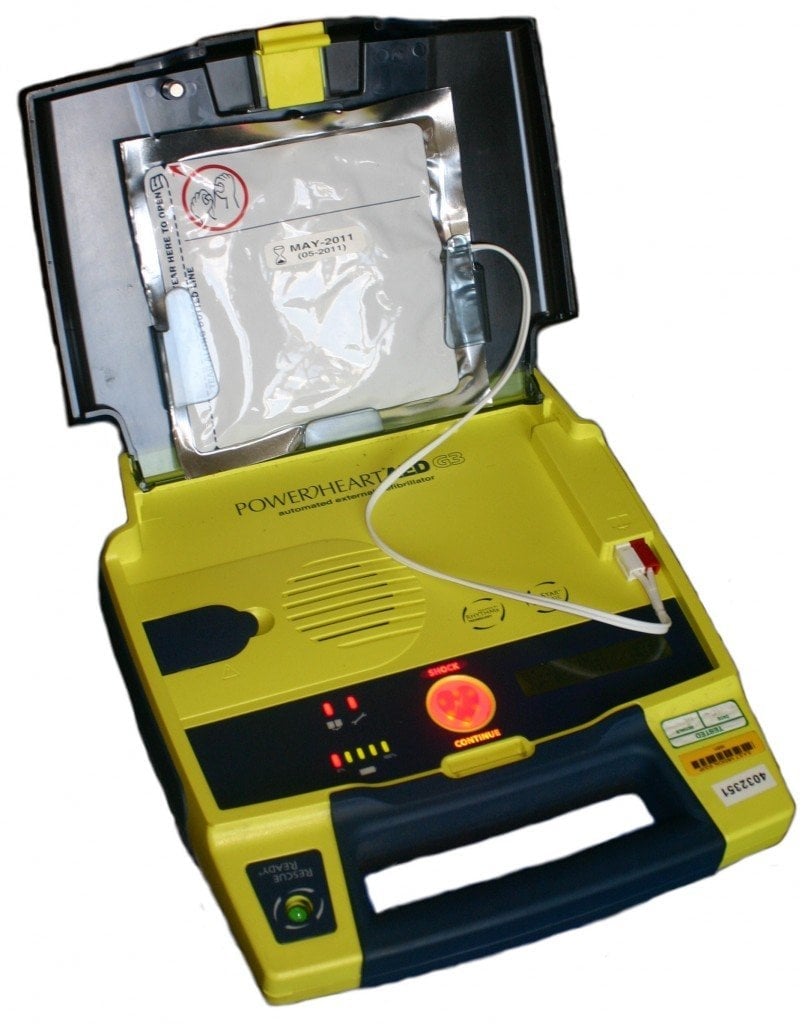
This animation explains what a defibrillator is, and how to use a defibrillator on someone who is having a cardiac arrest. For more information on defibrill.
How Do Defibrillators Work? Heart Safety Solutions Dublin
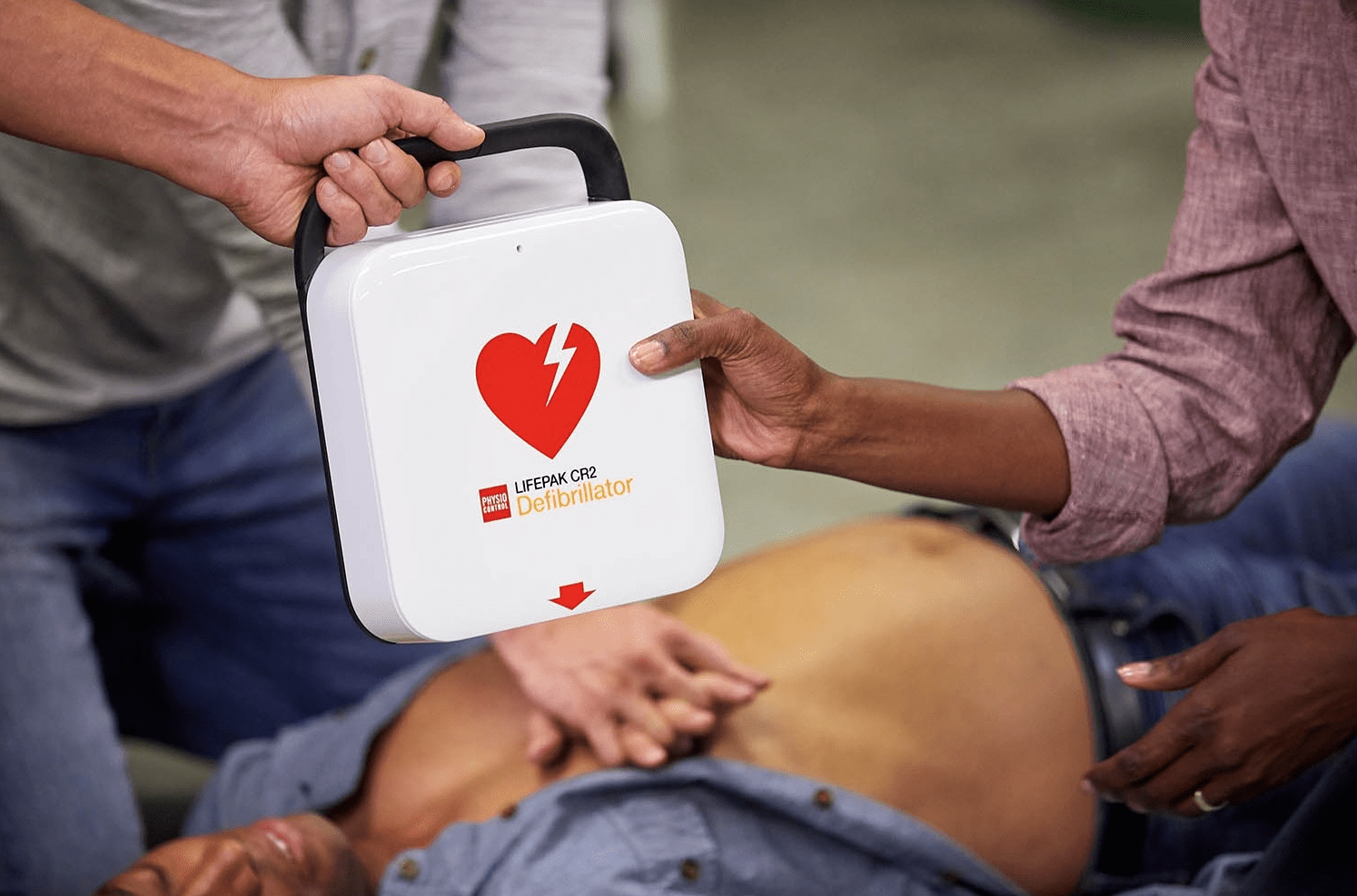
Defibrillator. A defibrillator is a machine that delivers a controlled amount of electric current (called 'countershock' in medical lingo) to the heart. A defibrillator is used when the heartbeat of the patient is erratic, or out of rhythm, if you will. When a person suffers from cardiac arrest, there are a number of things that could.
How does a defibrillator work?
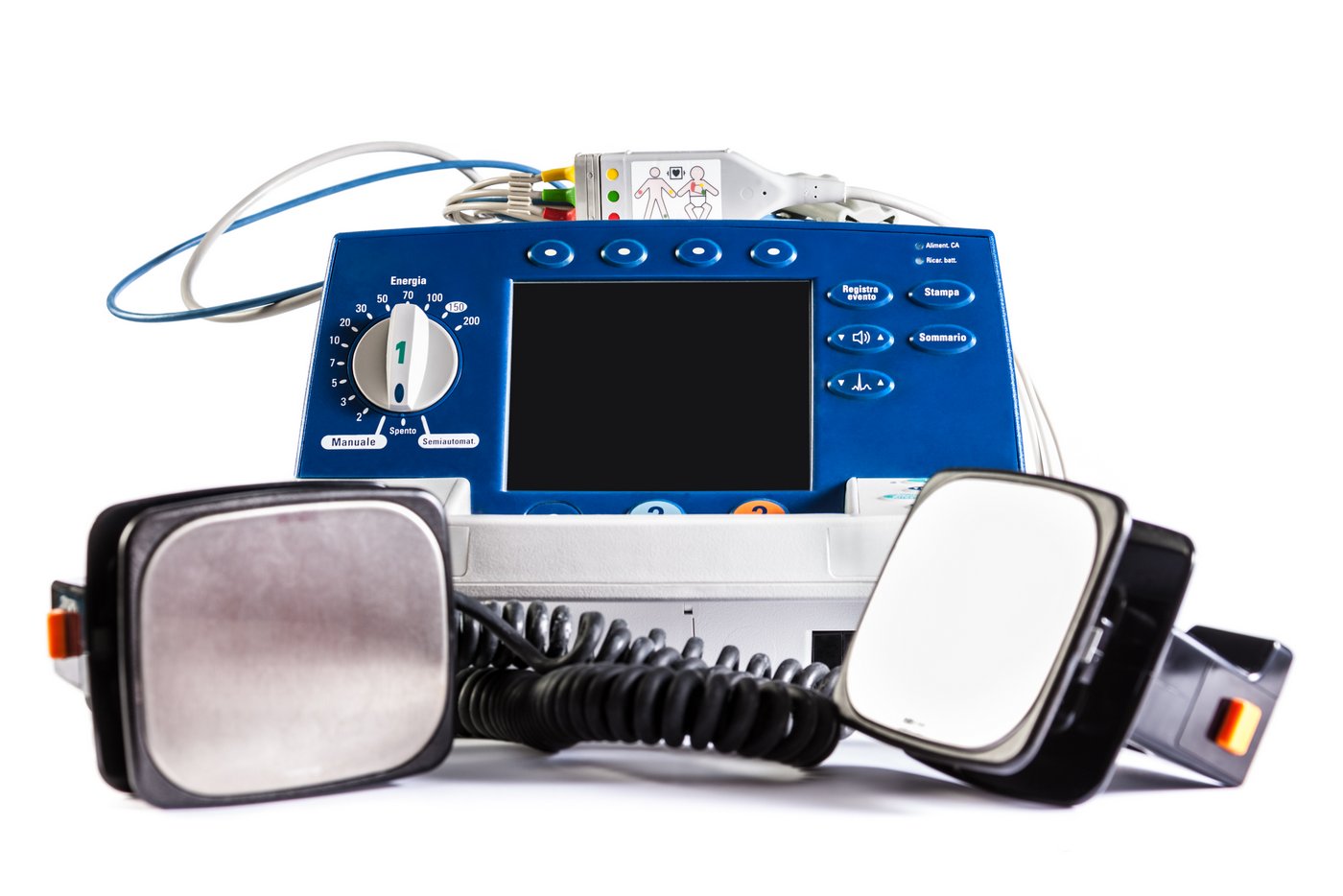
Swelling or bruising where the device was placed. Unnecessary shocks from the device. Bleeding from the site where the device was placed. Reactions to the medicines used to help you relax or sleep during the surgery. Tissue scarring around the wires or device. Damage to blood vessels, the heart, or nerves.
.